A new year brings language and music together
How people live here
Yennayer is one name for Amazigh New Year. In Moroccan households, communities and public activities it connects renewal with food, language and the arts. Programs in places including Khenifra feature poetry, music, crafts and education. Names and dates differ across North Africa; Morocco's January 14 arrangements should not automatically apply to all Amazigh communities.
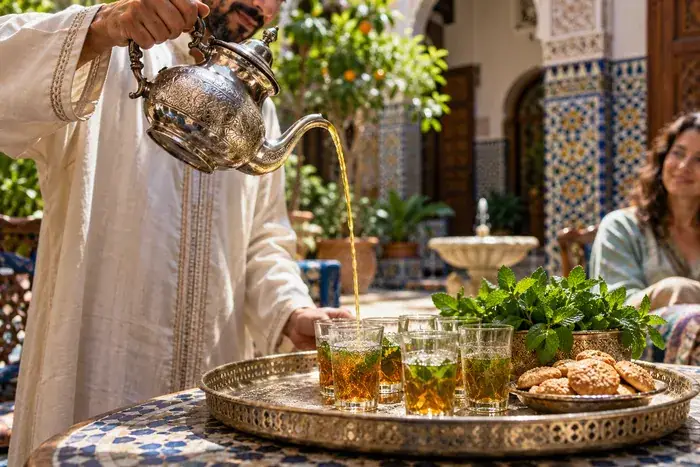
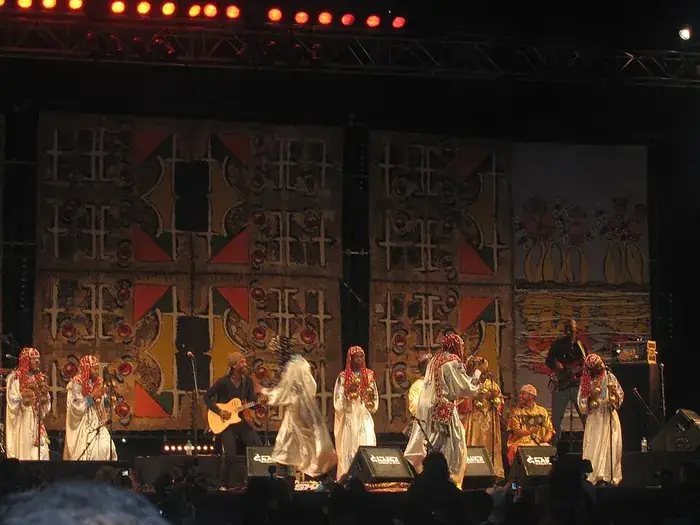
At public events in Khenifra or Agadir, the New Year appears not only as stage performances but can also be encountered through book fairs, craft displays and language learning for children. Hosts, poets and local groups bring the contemporary situation of Amazigh culture before the public. A family's festive table may use local grains and customary ingredients, but no two regions have exactly the same menu. January 14 is the clearly documented public anchor in Morocco today, and local celebrations may also take place earlier or later. Paying attention to the specific language, region and organizers is how the New Year reveals the diverse communities that continue to live it.
Take a closer look
Tifinagh script appearing at the event
Local instruments and collective performance
Stalls with crafts and Amazigh books
Look with respect
Follow the local event arrangements; first ask about the specific origins of the clothing and patterns; do not lump participants together under a single ethnic look; an invitation is required for a family dining table.
These accounts describe particular places and communities. Consult current local information for dates, participation rules and contemporary forms.