Remembering a treaty and continuing the conversation about living together
How people live here
Waitangi Day commemorates the treaty's first signing on February 6, 1840. Differences between the Maori Te Tiriti and the English text, and their interpretations, continue to shape New Zealand society. Dawn ceremonies at the signing grounds, public activities and historical discussion support remembrance, celebration and dialogue. The day carries different communities' expectations and debates, rather than serving simply as a national birthday party.
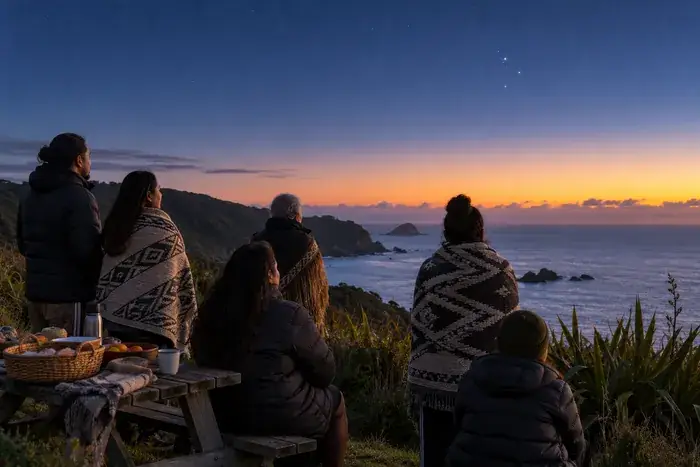
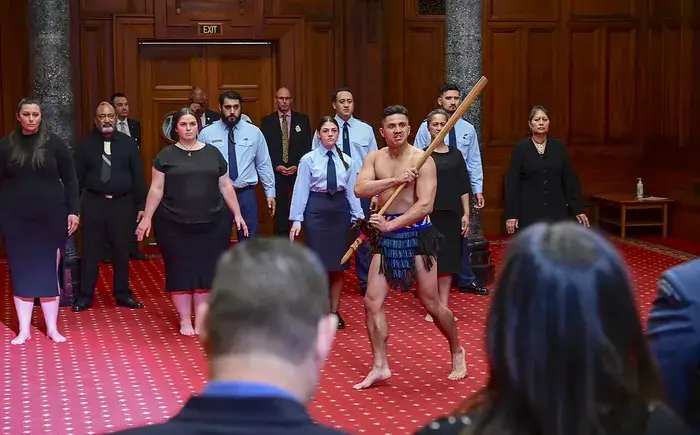
The Waitangi Treaty Grounds welcome the public from a dawn ceremony, followed by cultural performances, community activities and a market. The flagstaff, meeting house and exhibitions connect present gatherings with the 1840 signing and subsequent history. Maori chiefs and Crown representatives did not always understand the promises alike, and discussion continues today. The official site describes annual commemoration on February 6 while allowing different voices to meet. Alongside public programs, read the treaty's different texts and local explanations so remembrance becomes a way to understand relationships.
Take a closer look
The flagstaff at the treaty-signing site
Members of the public gathering at dawn
Displays and explanations discussing treaty history
Look with respect
Follow marae and local protocols, removing shoes in the meeting house when required. Respect remembrance, discussion and peaceful expressions of opinion, without treating disagreement as spectacle.
These accounts describe particular places and communities. Consult current local information for dates, participation rules and contemporary forms.