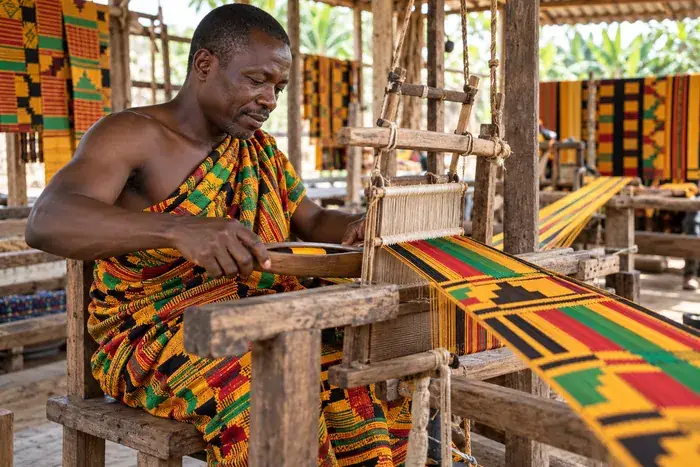
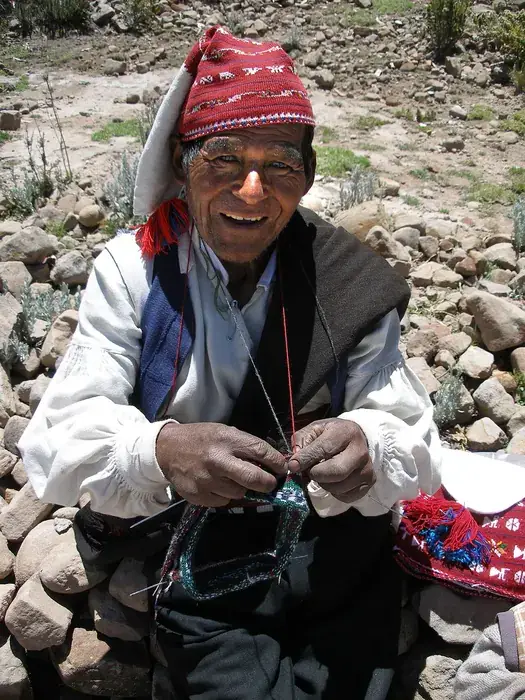
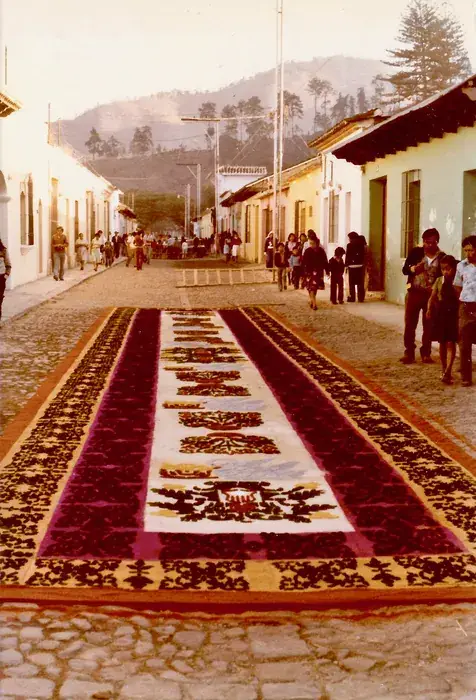
Before a skirt opens out, there are long hours of needlework
How people live here
Pollera dress expresses local craftsmanship through a broad skirt, matching blouse and intricate decoration, often paired with hair ornaments and jewelry. Different Panamanian regions, occasions and budgets call for different styles; one elaborate formal dress is not every woman's everyday clothing.
The maker lays the fabric flat and stitches the pattern together bit by bit, and afterward must consider the amount of gathering, how it will be worn and how accessories will match. Only when the dancer lifts the hem does the pattern, folded together, unfold in motion. Festivals on the Azuero Peninsula make these crafts known, but the pollera does not have only one name or one standard; family experience and personal choice play a part too. When looking at a photo, start from the wide silhouette, move in to a small stretch of stitching, then return to the wearer's movement, and you can see how clothing turns hours of work into expression.
Take a closer look
Embroidery on a broad skirt
Fine frills on the matching blouse
The trembling floral ornament in the hair
Look with respect
Ask before close-up photographs of clothing or wearers. Do not pull skirts or touch hair ornaments. Respect creators' and communities' explanations when using designs.
These accounts describe particular places and communities. Consult current local information for dates, participation rules and contemporary forms.