The same table can also hold different memories
How people live here
Thanksgiving often appears as a family meal with turkey and seasonal dishes, but tables differ. The festival formed through long change. For some Indigenous people, the day also carries reflection on colonial history and mourning, which deserve consideration alongside reunion.
When a roasting platter reaches the table, family members may be sharing news and side dishes may reflect an immigrant household. Contemporary Thanksgiving is not a simple copy of one historical dinner, but a custom formed across periods. Smithsonian materials remind visitors of Indigenous North Americans' earlier harvest thanksgiving practices and the need for multiple perspectives on colonial encounters. Leave space for both reunion and reflection, so people and histories beyond the food remain visible.
Take a closer look
Roast turkey and shared platters
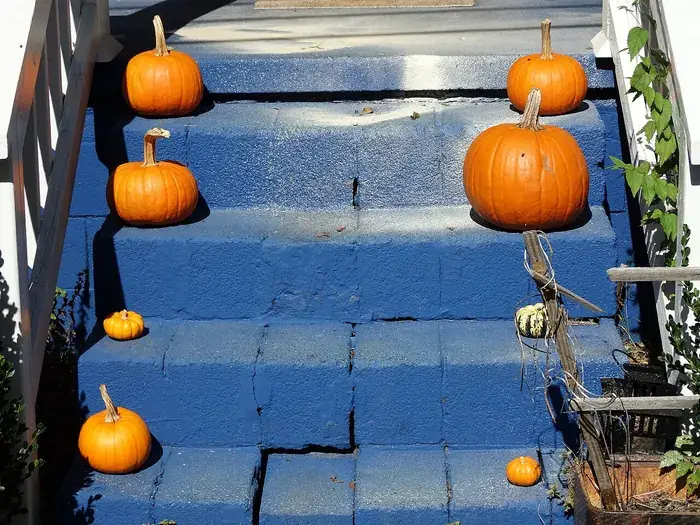
Autumn vegetables
Family members talking around a table
Look with respect
Do not treat a single colonial-era narrative as the whole history; respect family foodways and Indigenous communities' differing attitudes toward the festival.
These accounts describe particular places and communities. Consult current local information for dates, participation rules and contemporary forms.